Need Rough Terrain Forklifts?
Need Rough Terrain Forklifts?
FILL OUT A QUICK 2 MINUTE FORM
FILL OUT A QUICK 2 MINUTE FORM

Compare Multiple Rates, so you know you’re getting the best deal.

Compare quotes on essential services and equipment for your home or business.

HOW IT WORKS
HOW IT WORKS

Research Your Purchase
By reading our buyer's advice, you can research your purchase. Our comprehensive buying price will educate you about the purchase.

Get Price Quotes
By filling the above form, you can get a quick price quote. We help you shop from best vendors by letting you compare prices from professionals.

Save Time And Money
Eventually, you will be saving a lot of time in making your best purchase. This let you connect to best vendors real quick, and all by staying home.

Read out buying advice for rough terrain forklifts
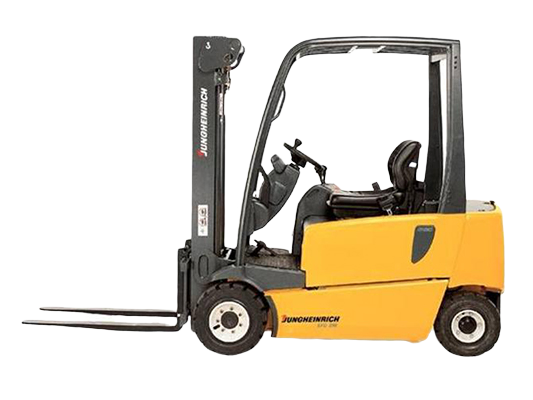
A warehouse forklift is built for smooth concrete. Take it onto mud, gravel, or a graded building pad and the tires, clearance, and traction run out quickly. A rough terrain forklift is the outdoor version of that truck: a vertical-mast lift machine with large pneumatic tires, higher ground clearance, and a frame meant for unfinished ground.
Contractors, lumber yards, farms, and supply yards use them to unload trucks and move pallets where a sit-down warehouse truck should not go. This guide covers how they differ from other lift equipment, what capacity and drive to ask for, and how pricing usually breaks down.
What a Rough Terrain Forklift Is
A rough terrain forklift is a mast-and-fork lift truck for outdoor work. The operator raises and lowers loads on a vertical mast, the same way an indoor forklift does. The difference is the chassis. Deep-tread pneumatic tires, more clearance under the frame, and a heavier structure let it travel on soil, gravel, and uneven pads.
Most models are diesel-powered. Two-wheel drive is common on firmer yards. Four-wheel drive is the usual choice for mud, slopes, and active construction sites. Some machines have an open canopy; others have an enclosed cab for weather and debris.
Features that matter outdoors
- Large pneumatic tires that float and grip on soft or broken ground.
- Higher ground clearance than a warehouse forklift.
- A vertical mast for unloading trucks and stacking outdoors.
- Diesel power for long days away from a charging bay.
- Lift ratings sized for lumber, block, pipe, and palletized building materials.
A telehandler is a different machine. It uses a telescopic boom, so it can reach forward and up over obstacles. A rough terrain forklift lifts more like a standard forklift: straight up, in front of the mast. If your work is placing loads onto upper floors or across a trench, a telehandler may fit better. If your work is unloading and stacking on rough ground, a rough terrain forklift is usually the simpler tool.
Where It Belongs
- Construction sites and unfinished building pads.
- Lumber yards and building-supply yards.
- Farms, nurseries, and landscaping yards.
- Outdoor storage and staging areas.
- Truck unloading where the ground is soft, sloped, or unpaved.
Indoor racking, narrow aisles, and smooth warehouse floors still belong to a conventional forklift, reach truck, or order picker. Those machines cost less to run on concrete and are easier to maneuver in a building. Using a rough terrain forklift indoors wastes its clearance and tire setup.
Capacity, Mast, and Drive
Rated capacity. Capacity is the weight the truck can lift at a stated load center, usually shown on the data plate. It drops as the mast goes higher and as the load sits farther from the carriage. Many rough terrain forklifts used on job sites are rated in the range of about 5,000 to 12,000 lbs. Heavier models exist for block, pipe, and other dense loads. Match the plate to your heaviest regular lift, not to an occasional maximum you hope to clear.
Mast height. Lift height should cover the trucks you unload and the stacks you build in the yard. Extra mast height you never use adds cost and can reduce capacity. Too little height means double-handling material.
Drive. Two-wheel drive is enough for packed yards and dry gravel. Four-wheel drive is worth it on mud, loose soil, and slopes. Ground clearance and tire tread matter as much as the drivetrain. Aggressive tires help in mud; they wear faster on pavement, so think about how much road and slab the truck will also cross.
Cab and visibility. A canopy is lighter and fine in mild weather. A cab pays off in rain, dust, and cold. Either way, mast and carriage design should leave a clear view of the forks and the load.
New, Used, Rent, or Lease
New rough terrain forklifts commonly range from about $30,000 to $80,000 or more. Capacity, four-wheel drive, mast height, and a cab move the price. Specialty or high-capacity units cost more than a standard yard truck.
Used machines often cost substantially less than new ones. The savings are real only if the tires, mast, hydraulics, and frame are sound. Tires and mast work are expensive repairs on this type of truck, so service records and a hands-on inspection matter more than a low asking price.
Renting fits a single project or a seasonal push. Leasing fits a crew that needs the truck for a longer stretch but wants a lower monthly cost than a purchase, with the option to change machines when the work changes. Buying fits yards and contractors who will run the same truck year-round.
What a Quote Needs From You
A supplier can price the right truck once they know the site and the load:
- Typical ground: packed yard, gravel, mud, or slopes.
- Heaviest load and how high you need to lift it.
- Two-wheel or four-wheel drive.
- Canopy or cab, and any attachments.
- New, used, or reconditioned.
- Buy, rent, or lease, and when you need it.
Before You Commit
The machine
- Ground conditions on the sites you actually work.
- Capacity at the lift height you use, not just the headline rating.
- Drive type, tires, and ground clearance.
- Mast setup and whether you need an attachment.
- Visibility, and a cab if weather is part of the job.
The purchase
- One project or ongoing yard and site work.
- Budget for the truck and for tires and service.
- New versus used, and who can support parts nearby.
- Buy, rent, or lease based on how long you will keep it.
Fill Out The Form So We Could Help You!
A rough terrain forklift is the right lift truck when the ground is the problem, not the pallet. Fill out the form above with your capacity, terrain, and whether you want to buy, rent, or lease. We will follow up with pricing and equipment options for your sites.
