Need Mini Excavators?
Need Mini Excavators?
FILL OUT A QUICK 2 MINUTE FORM
FILL OUT A QUICK 2 MINUTE FORM

Compare Multiple Rates, so you know you’re getting the best deal.

Compare quotes on essential services and equipment for your home or business.

HOW IT WORKS
HOW IT WORKS

Research Your Purchase
By reading our buyer's advice, you can research your purchase. Our comprehensive buying price will educate you about the purchase.

Get Price Quotes
By filling the above form, you can get a quick price quote. We help you shop from best vendors by letting you compare prices from professionals.

Save Time And Money
Eventually, you will be saving a lot of time in making your best purchase. This let you connect to best vendors real quick, and all by staying home.

Read out buying advice for mini excavators
A mini excavator earns its place on jobs where a full-size machine cannot get in, or where hauling one in would cost more than the work itself. Utility repairs, footings, backyard grading, and indoor demolition all call for a compact digger that can swing, trench, and load without tearing up the site around it.
If you are pricing a machine for the first time, or adding another unit to a crew that already runs larger equipment, the useful questions are practical: how deep you need to dig, how tight the access is, and whether you will own the machine or only need it for a season.
What a Mini Excavator Is
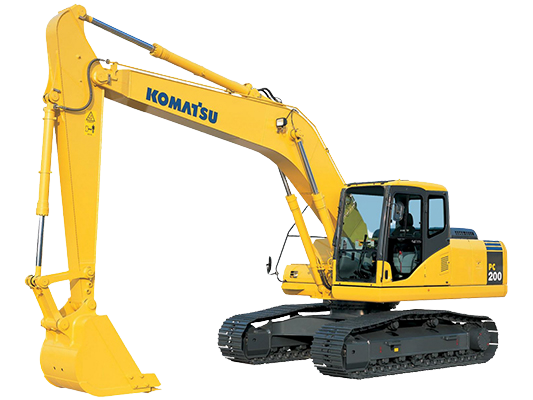
A mini excavator is a compact hydraulic digger. It has the same basic layout as a full-size excavator: a boom, a stick, a bucket, and a cab on a rotating upper structure, sitting on a tracked undercarriage. Hydraulic cylinders move the arm. The house rotates so the operator can dig and spoil in a tight arc without repositioning the whole machine.
Most models are diesel-powered. Size is usually described by operating weight, from roughly 1 ton up through the compact class around 8 to 10 tons. Lighter machines tow behind a pickup on a small trailer. Heavier compact units need a larger truck and trailer, but they dig deeper and lift more.
What sets them apart from a full-size excavator
- A much smaller footprint, so they fit through gates, between buildings, and inside structures.
- House rotation that lets the operator work without driving back and forth.
- Operating weights commonly in the range of about 2,000 to 20,000 lbs, depending on class.
- Lower transport cost and less ground disturbance than a crawler excavator.
- Enough power for trenches, footings, light demolition, grading, and brush clearing when the bucket and attachments match the job.
Where a Mini Excavator Fits
Choose a mini when access and precision matter as much as digging power.
- Utility repairs: water, sewer, electrical, and gas lines in streets, yards, and easements.
- Foundations, footings, and small basement or crawl-space work.
- Landscaping, drainage, grading, and pool or patio excavation.
- Indoor or in-building demolition where a large machine cannot enter.
- Material placement and light lifting with a thumb or lifting eye, within the rated chart.
A full-size excavator is the better tool when the dig is deep, the bucket needs to be large, or the machine will run hard all day on a commercial site. A mini that is undersized for the cut will work slower and wear harder than a machine matched to the job.
How to Size the Machine
Operating weight is the starting point, not the finish. Two machines in the same weight class can differ in dig depth, tail swing, and hydraulic flow.
Dig depth and reach. Match the published dig depth to the deepest trench or footing you actually need, and leave a little margin. Digging at full reach all day is slower and less stable than working closer to the machine.
Tail swing. A conventional tail swings past the tracks. A zero-tail or minimal-tail machine stays inside the track width, which matters against a wall, a fence, or live traffic. Zero-tail models can lift a little less in some positions because the counterweight is tighter. Pick the swing style for the sites you work, not for a spec sheet alone.
Tracks. Rubber tracks are kinder to pavement, curbs, and finished yards. Steel tracks grip better in mud and rock and last longer on abrasive ground. Some machines offer both.
Hydraulics and attachments. A thumb, auger, breaker, or plate compactor needs auxiliary hydraulic flow. If you plan to run attachments, confirm the machine has the lines and flow those tools require before you buy.
What Mini Excavators Cost
Price follows weight class, hours, condition, and what is included. A new mini or compact excavator commonly falls between about $30,000 and $150,000. Smaller entry-level models sit at the low end. Larger compact machines with deeper dig specs, a cab, and stronger hydraulics sit at the high end.
Used and reconditioned units usually cost less than new ones and are a practical way to get a working machine without a full new-equipment outlay. Ask what the price includes: bucket, thumb, trailer, and delivery change the real cost more than the sticker sometimes suggests.
Renting makes sense for a single project. Leasing spreads the cost when you need the machine for months but do not want to tie up cash. Buying fits crews that will keep the excavator working week after week.
What a Quote Needs From You
Dealers price a mini excavator from the job, not from a model name alone. A useful quote usually covers:
- Operating weight or size class.
- How many machines you need.
- New, reconditioned, or used.
- Dig depth, lift needs, and whether you need zero tail swing.
- Rubber or steel tracks, and any attachments.
- Residential, utility, landscaping, or commercial work.
- Buy, rent, or lease, and when the machine has to be on site.
Before You Commit
Review the job and the money side together.
The machine
- Depth, reach, and bucket size for the work you do most.
- Site access: gate width, indoor work, and ground conditions.
- Tail swing and how you will trailer the unit.
- Cab versus canopy, and the attachments you will actually run.
The purchase
- How long the project runs, and whether the next jobs look the same.
- How many units you need.
- Budget for the machine, attachments, and transport.
- New, used, or reconditioned, and whether service is available near your sites.
Fill Out The Form So We Could Help You!
The right mini excavator is the one that fits the trench, the gate, and the way you pay for equipment. Fill out the form above with the size, condition, and timing you need. We will follow up with pricing and options for buying, renting, or leasing.
